Outlander Can Release You to Feel a Connection to Place
Let's talk about Scotland and how Claire becomes Jamie's home in Episode 1.09.
How I Barely Missed Meeting Sam and Cait of Outlander
This video was going to be from the Outlander convention in New Jersey this morning, but instead I'm in my own living room. Here's what happened.
Life's Big Questions Can Be Simple to Answer with Stories. Or Not.
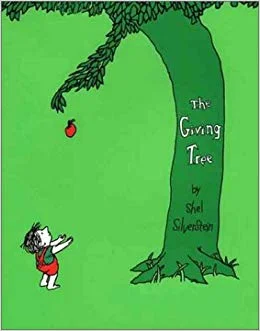
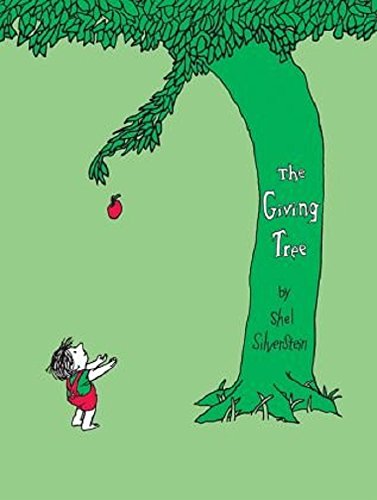
There's a famous children's story, "The Giving Tree" by Shel Silverstein, that I would call a modern day parable. And the debate continues about the story's meaning. If you've read it, what would you say? Is it a story about unconditional love or being utterly taken advantage of?
Sometimes the smallest stories ask the biggest questions. Sometimes they even answer them. But most of the time, the best stories don't.
Fables are great stories to read to children. Fables are stories with a moral, usually told with animals as the characters. These stories help children know what to and not to do. Don't cry wolf. Slow and steady wins the race. Stories are an entry point for children to begin to internalize what is good and right and true. Children need to know boundaries and keep life pretty compartmentalized. Fables are a great resource for childhood lessons.
Adults don't always need things so spelled out to them. But we do enjoy allegories. Two well-known ones are "The Little Prince" and "The Alchemist". They both have voices of wisdom in a realistic enough of a setting for the reader to feel like the voices could be talking to them.
“Don't think about what you've left behind" The alchemist said to the boy as they began to ride across the sands of the desert. "If what one finds is made of pure matter, it will never spoil. And one can always come back. If what you had found was only a moment of light, like the explosion of a star, you would find nothing on your return.”
― Paulo Coelho, The Alchemist
“In those days, I didn't understand anything. I should have judged (the rose) according to her actions, not her words. She perfumed my planet and lit up my life. I should never have run away! I ought to have realized the tenderness underlying her silly pretensions. Flowers are so contradictory! But I was too young to know how to love her.”
― Antoine de Saint-Exupéry, The Little Prince
Did you know "The Little Prince" is the book that has been translated into the most languages except for religious texts? Humanity loves a good story that helps us know our truth.
And yet, there are a whole lot of fables and allegories written to communicate the writer's truth and they fall flat. Why?
I want to suggest, the reason for this is because the best fables and allegories are actually parables that don't provide the answers. Instead they act as mirrors for us. They help us see ourselves. That's where the alchemy is (see what I did there?). But when we try to apply what we see to be the truth for everyone, it doesn't work.
This is why the latest movie version of "A Wrinkle in Time" wasn't good. The moral was too heavy handed. The audience was spoon-fed what the movie makers felt the moral lessons needed to be. The magic of the story ended up buried under the agenda and it couldn't breathe.
When people hear the word, "parable", they might think of the parables of Jesus as recorded in the four gospels of the Bible. I think it's really important to realize that Jesus's parables often left his hearers perplexed. The moral lesson for them wasn't clear. Jesus's disciples often asked him to explain what the story meant. Isn't that interesting?
There's a famous children's story, "The Giving Tree" by Shel Silverstein, that I would call a modern day parable. And the debate continues about the story's meaning. If you've read it, what would you say? Is it a story about unconditional love or being utterly taken advantage of? Personally, I've always considered it a story about the stages of life and not preparing well for aging. Ha! See what I mean? I didn't find anyone else interpreting, "The Giving Tree" like I interpret "The Giving Tree" in a (albeit simple) Internet search. We see different things when we look in the mirrors of a well-written story. This is a good thing!
“Grown-ups love figures... When you tell them you've made a new friend they never ask you any questions about essential matters. They never say to you "What does his voice sound like? What games does he love best? Does he collect butterflies? " Instead they demand "How old is he? How much does he weigh? How much money does his father make? " Only from these figures do they think they have learned anything about him.”
― Antoine de Saint-Exupéry, The Little Prince
Be wary when people try to give you the "moral of the story". This is especially true in the stories you tell yourself where you are the main character. Only you, ultimately, get to decide the moral of your story (though strong and safe friends can definitely help).
“You will never be able to escape from your heart. So it's better to listen to what it has to say.”
― Paulo Coelho, The Alchemist
This week consider whether the stories you tell yourself and others leave enough room for interpretation.
Remember, discovering and experiencing good stories helps us live good stories. Have you moved on from fables to parables? Do you need to always be told or tell others, "And the moral of the story is..."
And tell me. What DO you think is the moral of the story of "The Giving Tree"? Please leave a comment! I would love to know!!
--------------
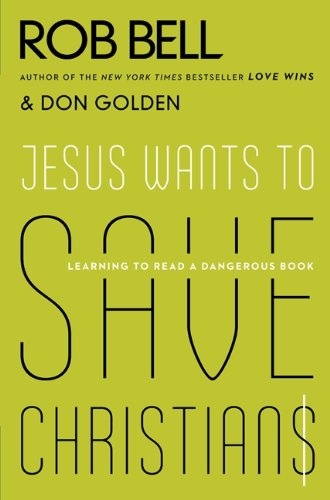
Do you need a fresh way to consider how to interpret the parables of Jesus? I highly recommend this book:
Why Do We Respond to Fictional Characters As Though They Were Real People?
You know how when you read about great coffee you can smell great coffee? Falling in love with a character of a story is like that. It can be very emotionally potent experienced at a biochemical level.
Believe me, I know.
You know how when you read about great coffee you can smell great coffee? Falling in love with a character of a story is like that. It can be an emotionally potent experience at a biochemical level.
Last January, right after making some financial plans for the year, Creation Entertainment announced the “First Official” Outlander Convention for August to be held right outside Manhattan. Sam Heughan (Jamie), Caitriona Balfe (Claire), and Tobias Menzies (Frank/Black Jack) were all slated to headline among several other actors from the show.
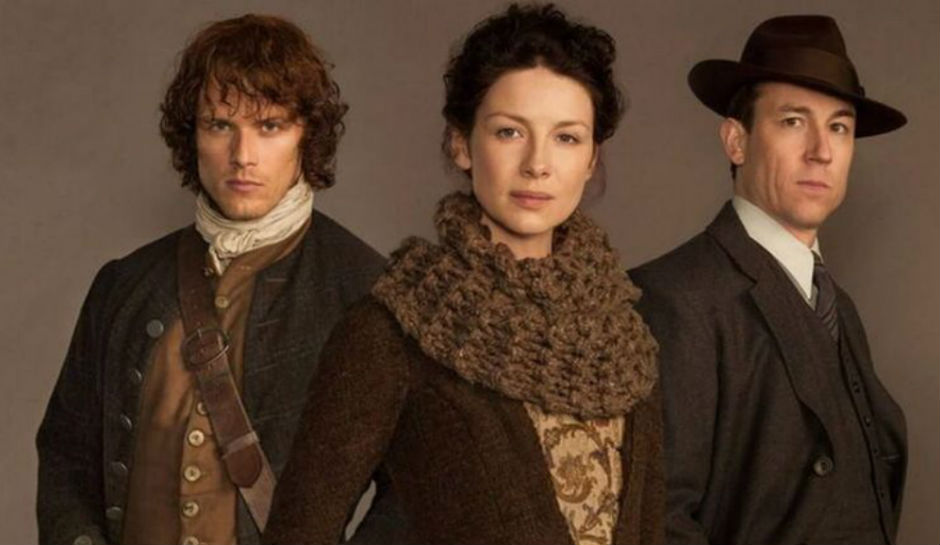
It took a couple of days, but the desire to go settled deep within me. No, I couldn’t really pay for it, but I had time to earn the money (isn’t that how it works?), so I clicked “Pay Now”. Buh-bye responsible goals.
Here’s the deal with Outlander and me. I will try to be succinct. I tuned into the TV show probably three years ago now without expectations. I’d vaguely heard of the books. I had just a few online friends who couldn’t stop talking about it, so I decided to check it out. From the first episode, I could feel something strongly waking up in me. I remember it starting in my belly and radiating out from there. It's like I breathed a deep breath as if I'd never done it before. Three years later, I can still clearly remember that feeling. It was like I was falling though the stones.
If a genie could grant me three wishes, one of them would be to experience "Outlander" over and over again as if it was my first time. Falling in love with "Outlander" changed me at a deep place. I do the work I do today because of the way this story woke me up to who I was and am.
It was the music and setting of Scotland that first called me. Then it was the female protagonist and her deep need to connect with and own her sexuality and gender despite more traditional settings. Next, it was the Highlanders. My first love was a Scotsman and I was dumbfounded as I remembered him more clearly than I had in decades in the culture of the clansmen. The Highlanders embodied the lusty crassness this good girl, me, had been fascinated and mystified by way back when. I was experiencing again through the screen the raw physicality of their commitment to protect their loved ones and honor with their bodies and wits. Outlander helped me remember and understand.
And then there’s Jamie.
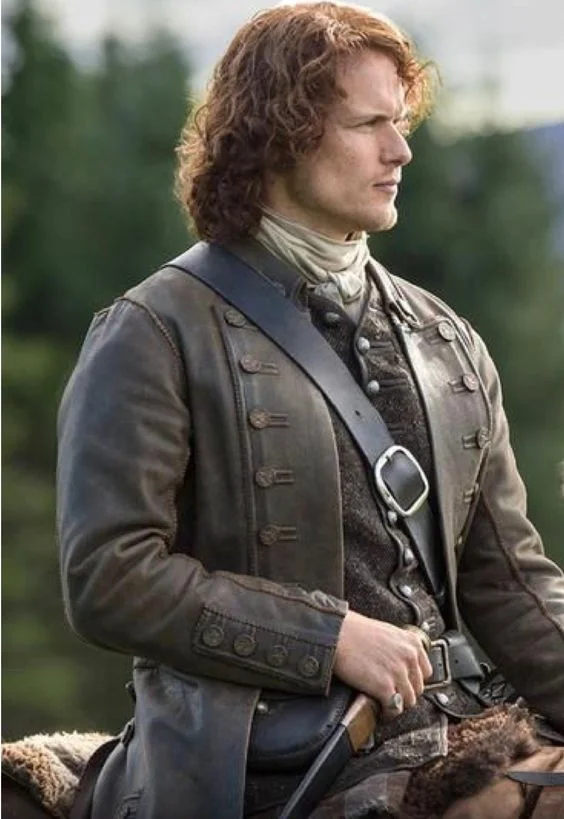
A popular "Outlander" meme: "God created man, but Diana Gabaldon created Jamie Fraser."
Jamie is no ordinary romantic hero. I wish I had the writing talent and ability to put down in black-n-white what his character represents to me and the fans who have become my online tribe. Jamie suffers greatly, but remains strong and unsullied. He’s funny in a cheeky and endearing way. He calls Claire by a nickname almost from the beginning of their interactions (the high school boyfriend and his family did that, too, interestingly.). He’s honorable, he’s patient, he sacrifices, he protects, and he is completely and totally in long-term love with Claire.
“It’s always been forever for me, Sassenach.”
Outlander is not a story of “will they or won’t they” or one where once the sexual tension is released, the story loses its intrigue. It’s a story of a marriage, the author Diana Gabaldon has stated and let me tell you, she knows how to write the sex scenes. I’ve never read anything like them. I would be dishonest to try and say they are just an add-on to the story and most readers could take them or leave them. No. My fan friends and I are smitten. I had a conversation in my store with another fan just today where she said she was done apologizing for how much she loved Jamie and Claire's relationship. The connection they share is richly sensual, poetic, and transcendent. I never cringe. Instead, I want to cry with the longing for everyone to know connection like theirs. It represents the way things could be.
All that to say, Jamie, Claire, Black Jack, Frank, Jenny (yes, there’s a Jenny in the story and I absolutely adore her!)…they feel so real to me.
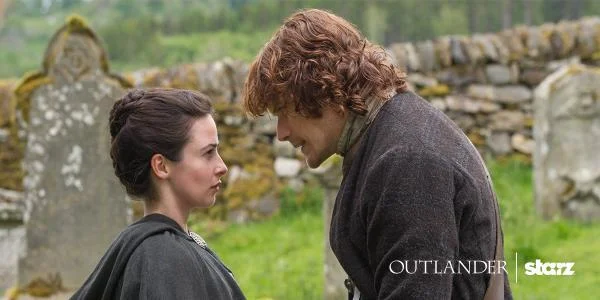
Jenny and Jamie Fraser, brother and sister
And so I find myself attending my first “Con”, a fan convention of all things Outlander, in a few weeks.
But two days ago, the actor that plays Jamie, Sam Heughan, canceled his appearance.
BRUTAL! Crushed. He’s becoming more popular with a movie opening tomorrow, “The Spy Who Dumped Me” and is headed to South Africa to start filming, “Bloodshot” a film with Vin Diesel. I might never get the chance to meet him in the relatively small pond of Outlander fandom.
Good-bye photo op I had all planned out to then hang up in the bookstore. Goodbye fifteen seconds to experience the actor who embodies Jamie in 3D. Goodbye chance to viscerally feel that larger than life force of nature so many great actors have up close and personal.
The disappointment is real. I’m working hard with being ok that Sam won’t be there. I am hardly alone in this process. The fan groups exploded with the news. But hopefully, we can “Release the Story” of how we wanted it to be and relax into what will still be a really fun time for the fans.
Did you know there's a part of our brain that lights up when we "fall in love" with fictional characters? I'm so relieved there's a biological reason because I can't seem to talk myself out of such things. A greater understanding of the brain science behind our celebrity crushes and often very strong feelings can be found here: The Psychology of Fandom: Why We Get Attached to Fictional Characters
There's SO many moral conversations I have in my head with imagined people who disapprove of a good Christian married woman being a fangirl. And yes, I also know I'm a middle-aged white woman and we make up the majority of his current fan base and there's a lot of judgment out there. But still I relish this experience, the ups and downs, because I consider it a gift. I consider getting to play with our stories even as adults is one of the most delightful experiences our imaginations can give us.
I am glad I fell down this rabbit hole.
Who is a fictional character you have "fallen in love with"? Tell me everything.
How In Charge Are the Gods, Really?
Humankind has always tried to explain the unexplainable by blaming or personifying the gods. How does the sun rise in the east? It's in a chariot driven by our god Helios, of course.
***For the sake of simplicity, I use "gods" and "the divine" throughout this article to describe humankind's relationship with what they cannot see. This is not meant to exclude those of us who believe in one God, but to include all of us who consider ourselves spiritually connected to something we cannot see.***
What we believe about the influence of the gods makes a huge difference in the kind of stories we write with our lives.
Humankind has always tried to explain the unexplainable by blaming or personifying the gods. How does the sun rise in the east? It's in a chariot driven by our god Helios, of course.
As I began to write this article, a customer at my bookstore, Jenny's Paper & Ink Books, came in and began to share with me the story of her healing.
"I was supposed to be gone in February, they said. But my son and his Christian brothers have taken one tumor each to pray over and the tumors are shrinking."
Who can argue with that? The belief in an intervening god has been essential for this woman's healing. Her understanding of the work of The Divine has definitely affected her story. One of the gifts of living a religious and spiritual life is that it provides a framework for us to interact with and understand what we cannot see. But how in charge are the gods, really?
We get into trouble when we interpret our interactions with and limited understanding of them as the way it needs to work for everyone else. That's when belief turns into dogma. Dogma is a principle or set of principles laid down by an authority as incontrovertibly true. Doubt and questioning are not welcome in a community where dogma has been decided as the answer for everyone's situation.
I want to suggest that making time to read all kinds of fiction is one of the best ways to protect us from the damage and danger of dogma. You might even consider asking your religious/spiritual leaders what the role of fiction is in their lives. Are they open and available for discussions about what is not easily answered? Are you? Here's some examples of the way fiction releases us from the small stories religious dogma wants to tell.
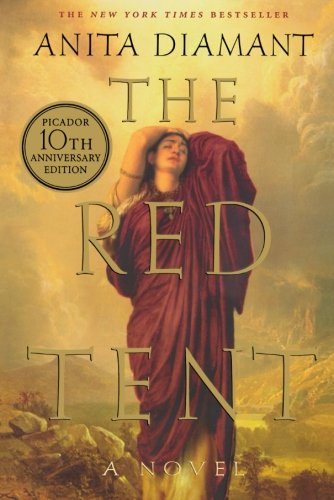
First, have you read, "The Red Tent" by Anita Diamant? It is a story written around Dinah, one of the daughters of Jacob. She is mentioned, in passing, within the story of Jacob's family in the Old Testament of the Bible. Unfortunately, very few women's stories were written and passed down in the Judeo-Christian traditions and Scripture. We are left to imagine and ask good questions in order to learn from these minor characters. Is the fear of adding to Scripture keeping you from exploring the stories of the women more fully? If you answer yes, I would be beyond thrilled to talk more with you about why this is safe and freeing to do. If not, I highly recommend spiritual director, Ronna Derrick, and her Sacred Readings if you want to explore how the stories of the Biblical women can speak personally to you.
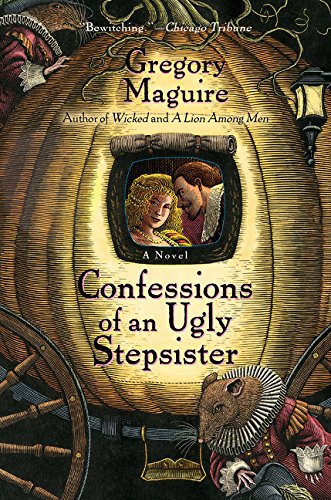
Next, are you familiar with the recent Broadway hit musical, "Wicked" which tells the story of the friendship of the Wicked Witch with Glinda the Good Witch from the Wicked Witch's perspective? The source material came from the author, Gregory Maguire, who has written several alternative fairy tales. Another one he wrote is called "Confessions of an Ugly Stepsister". What was the story for the stepsisters in Cinderella? How would they tell it? Is it possible that there's no such thing as the good guy and the bad guy? That all of us are a blend of both and that the "bad guy" sides of us have stories to tell, too? If we listen and show them hospitality, so to speak, we can learn so much.

Finally, the stories we tell and live need to be able to accept mystery because none of us can have all the answers. I wrote and spoke a few weeks ago about the difference between the happy ending and the satisfying ending. But what about the ambiguous ending? How are you with endings where all the questions are not answered? A good example of a satisfying and an ambiguous ending is, "The Snow Child" by Eowyn Ivey. In "The Snow Child" an unhappy and infertile couple facing the long and dark Alaskan winter build a child from snow who then comes alive. We want the best for this couple as the readers. But what is the best? Will the author decide for us? What if we can't have exactly what we think we want? Can we accept a version of it? Will we be better off? These are hard questions to answer and sitting with the mystery of the unanswered questions is important. We are so often too quick to answer questions with a simple version of our truth about what we can't understand.
Here's why this is so important. When we don't let the power of story release our understanding of the divine and let it breathe, we actually empower the gods to be much more in charge than they really are. When we hold tight to our beliefs about what our gods can and cannot do, it tightens us. Feeling safe from questioning and doubt requires living a much smaller life than we are meant to live. Maybe there's nothing more The Divine wants for you and me than for us to let go and release the stories we tell about how we believe the gods are in charge of you and me.
Fairy tales, magical realism, the myths of the ancients, and fantasy as a genre all let our understanding of the supernatural, the divine, the gods, breathe. You'll breathe freer, too.
Does your faith/spiritual community encourage or discourage questions and doubts about the gods in charge? Maybe a good fiction read as a community could help open the discussion.
Sometimes Our Current Reads Read Us
I would suggest don’t pick up the latest "How to" parenting or marriage or book for tips you try to apply to unique families or situations. Read a story that moves you about what's on your heart. And listen. Listen for the gifts the story wants to give that heart.
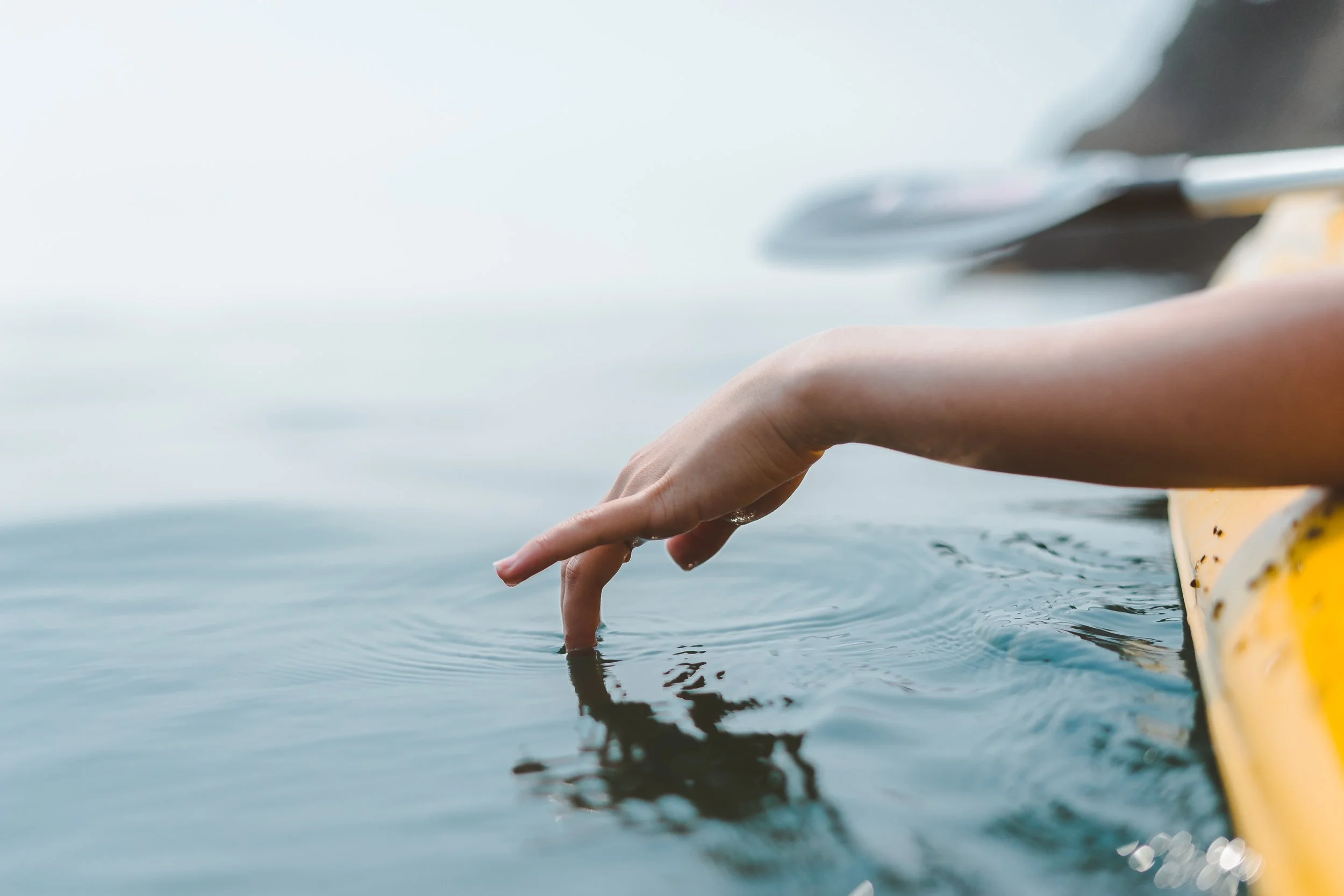
Friends and Readers, my blog post for the week is a bit late because my current read is reading me.
In other words, as I spend time with my novel right now my breath stops, eyes prick, and I reach for my phone to take snapshots of the pages. The messages it wants to give me are trying to settle deep within me. And raising such good questions.
I think of concentric circles represented by pebbles (or rocks!) dropped into a lake. The story this book is telling affects this, and then this, and then this in my personal life.
"A Place For Us" by Fatima Farheen Mirza touches all of it: family dynamics, religion v. individuality, and morality v. humanity.

“Are you happy?” he asked.
”I am.” she said. And then she twisted again the row of bangles on her wrist. “I’m content. My parents are happy.”
“What was a believer meant to be like when all their rituals and practices were stripped away? Layla had begun to think lately that there was no real way to quantify the goodness of a person—that religion give templates and guidelines but there were ways it missed the mark entirely.”
“It did not matter that she was his mother. What she could ever hope to know of him was only a glimpse—like the beam of a lighthouse skipping out, only one stretch of waves visible at a time, the best left in the unknowable dark.”
The title of the book is mentioned once in the book. It's not about two people in or wanting to be in a romantic relationship. It's about a family of five (#metoo!) who finds a place during a rare family picnic. A lot of the story spends time wondering if they will ever get back to that place...just the five of them happy and free, together, and playing in the sun.
I haven't finished the book so I don't know. I'm pretty sure it won't ever look the same as that Sunday afternoon. And that, my readers, has been my heart's question and cry for so so many months...moving into years..."How do I live with this understanding? That it will never be the same OR look like I had hoped?"
This book is reading me.
Yes, I do recommend this story for any of us who find ourselves wondering how our ideals and actual family dynamics can somehow come together. Actually, I would suggest don't pick up the latest "How to" parenting or marriage or book for tips you try to apply to unique families or situations. Read a story that moves you about what's on your heart. And listen. Listen for the gifts the story wants to give that heart.
The author, who is only 26, was asked by The Guardian what kind of questions her story explored. Here's how she responded:
“What does it mean when asserting yourself as an individual can be seen as a betrayal to the home, or culture, or faith that you’ve come from? How do you navigate those instances? What do you owe to your loved ones? And what do you owe to yourself if there’s a conflict there?”
Link to source for quote here.
There is SO MUCH in the themes of this book that I want to explore for you and me and connect over. So much. I will continue the discussion on FB Live at 10am PDT on Saturday, July 21. Then I will post a link to the video here so you can visit it to go deeper with me about these thoughts and themes.
Until then, do consider picking up this book or adding it to your To Be Read list.
Have you had the experience of a book reading you? Would you be willing to share which one? What was it? I'm so interested!

We All Need a Denouement (A What?)
What is an example in fiction of a satisfying ending for you? I'd love to know.
What is your current place of peace and safety?
You may or may not be familiar with a psychotherapy technique called EMDR. Briefly, it's used to retrain the brain to help people recover from trauma. After the work has been done for the session, the therapist helps take the client to their "safe place", a place the client can visualize a sense of peace and safety. A denouement is a little like that. It's those places and times in our lives when we can let out a deep sigh.

“In literature, the denouement (dey-noo-mahn) is the very end of a story, the part where all the different plotlines are finally tied up and all remaining questions answered. It happens right after the climax, the most exciting point in the story, and it shows the aftermath of that climax, giving the reader some hints as to what will happen next. The denouement is usually the very last thing your audience sees, so it has to be well-written or the story will seem unsatisfying. ”
Now I don't know about you, but rarely in my life have I felt like all my questions have been answered. Life's a bit different than literature that way. Nevertheless, we need places in our lives where we can at least lay the questions down and remember what makes sense to us.
In my history with the evangelical church in the United States, I went on a lot of retreats. They were usually a day or two set aside for exploring the deeper questions of our lives. The retreat was a success if we were able to find resolve about things in our lives we were anxious about. For evangelicals, this usually looked like getting closer to God so God could speak to us about our tough situations. A good retreat provided us a denouement.
But you don't need a day or two away or to be an evangelical to experience a denouement (though by all means take them if you can!). A denouement can be anything in our day to day lives that brings us a sense of peace and safety, the moments when what matters comes into focus and we can lay our questions down.
I felt this way when I held my children while they slept.
I feel this way in the early morning in my backyard when I can hear the birds and creek.
I feel this way by a fire when it's raining or snowing outside.
I feel this way in flower gardens.
Nature plays a large role in my denouements.
When do you have a denouement? When are you able to let out a deep sigh and lay down the hard questions for a time?
You need them.
Denouement literally means the action of untying. I hope your soul can untie somehow today.
Do you need a good example in literature of a Denouement? Here's three of my suggestions:


If you don't have time for a book, here's a few movie ideas:


What is an example in fiction of a satisfying ending for you? I'd love to know.
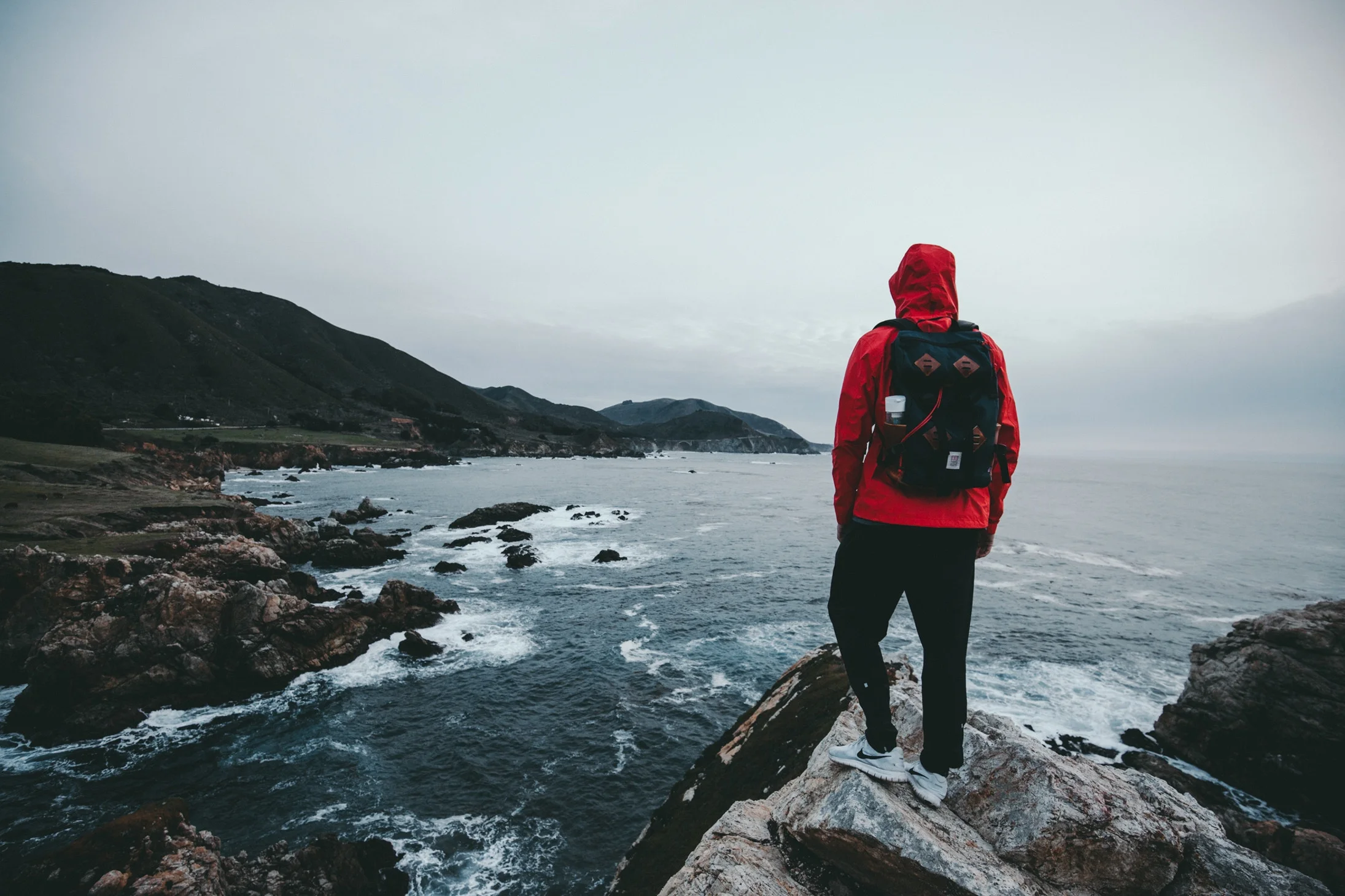
Is It Worth It to Try and Live an Epic Life? I'm Not Sure.
I mean, William Wallace didn't just wear blue face and give rousing speeches to the troops. If I remember right, he was drawn and quartered. Epic heroes don't always live to tell the true tale.
What is your favorite epic* story?
If you're from the United States, you know how we love our epic stories. Even if the story is from another culture or time...see Braveheart or Gladiator...our storytellers know how to create an epic. Over and over we are treated to sweeping vistas, swelling music, and slow-motion heroic deaths. The protagonist defeats the antagonist at great cost and after much oppression. It's almost always interwoven with a "love story for the ages" as well. Sound familiar?
At my house for the Fourth of July, "The Patriot" with Mel Gibson provided part of our soundtrack. It reminds me how amazing it is that we defeated the British when so many countries did not. We were able to say no to colonialism under British rule. It does fill my heart a little.
Over a decade ago now, I met weekly with some women to work though a book called, "The Journey of Desire". I think it's called something else now. We looked for clues in our own lives to help us know what kind of story we were meant to live. Written by a man, the author loved the epic stories. He wanted to BE William Wallace or Maximus. As a writer, I don't want to begrudge someone too much for the work they've already put out in the world. But I do question it. I mean, William Wallace didn't just wear blue face and give rousing speeches to the troops. If I remember right, he was drawn and quartered. Epic heroes don't always live to tell the true tale.


I started thinking about women and epic stories. We don't have quite as many that are told on the big screen yet. Yes, for Scarlett O'Hara, "Tomorrow is another day!" Is it possibly because so many women I know who live epic stories live them day in and day out? We take care of homes, children, the sick. Every day we get up and do what's needed again.
Is it worth it to try and live an epic life?
You know, I'm not sure. Getting to the swell of the music in the soundtrack of our lives happens maybe a handful of times. Maybe it's the birth of a baby or a recognition or reward for a job well done. I hope the climactic moments happen for all of us. I love the epic stories, the sweeping sagas. Something in me cries out to live open wide. But I think this is where considering the difference between an epic movie and an epic novel is important. Epic novels are traditionally 500 pages or more. That's hard to condense into a 2-3 hour movie. I think that the epic novel is a better representation of how living an epic life really looks. There's a LOT of characters, description, and history in between the moments of grandeur.
What do you think? Is being content with things as they are a sellout? Do we need a big life to feel truly alive? What does it mean to live an epic life? And what can the epic stories tell us?⠀
Epic: Majestic, heroic, impressively great in scale or character, extending beyond the usual or ordinary especially in size or scope.
Do you like to read epic novels? What's a favorite?
Here's some of mine:


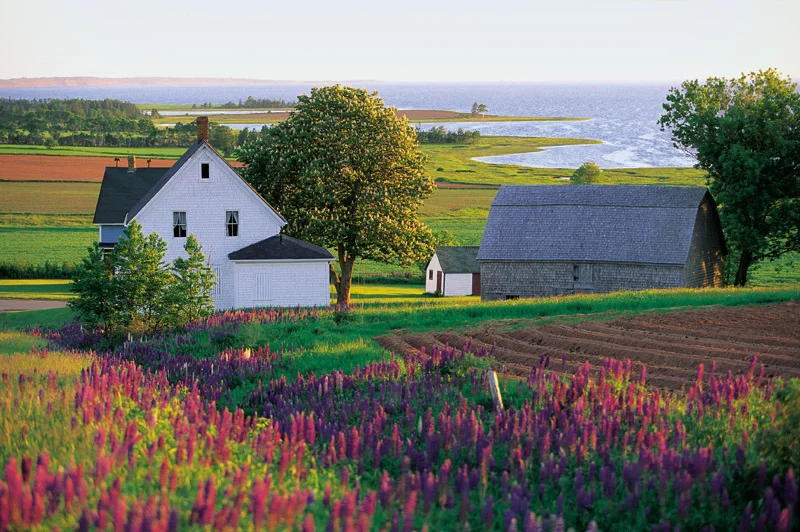
What Story Would You Like to Live In?
It brings so much understanding to our personal stories to dig a little deeper and consider WHY the settings of our favorite stories call to us.
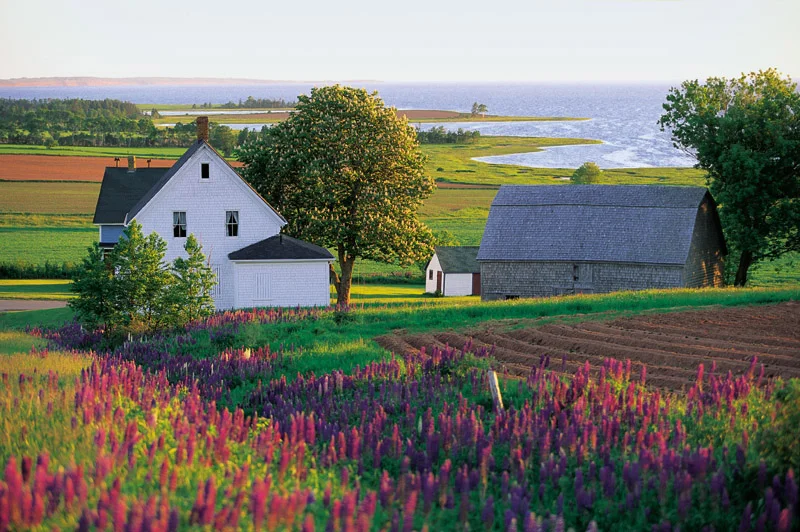
Prince edward island, canada
Where do you live? What was it like where you grew up? Where do you like to go for a vacation?
Now. What's the setting for one of your favorite novels or movies?
How do the two compare?
"Where would you want to live?" we ask each other. "Oh, the beach," we often say. Some of us wish for even more exotic locations or to find a cabin in the woods.
It brings so much understanding to our personal stories to dig a little deeper and consider WHY the settings of our favorite stories call to us.
Here are a few stories with well-loved settings. Is your favorite among them?


What is one way your favorite fictional setting and your daily setting could be similar? What could it offer you?
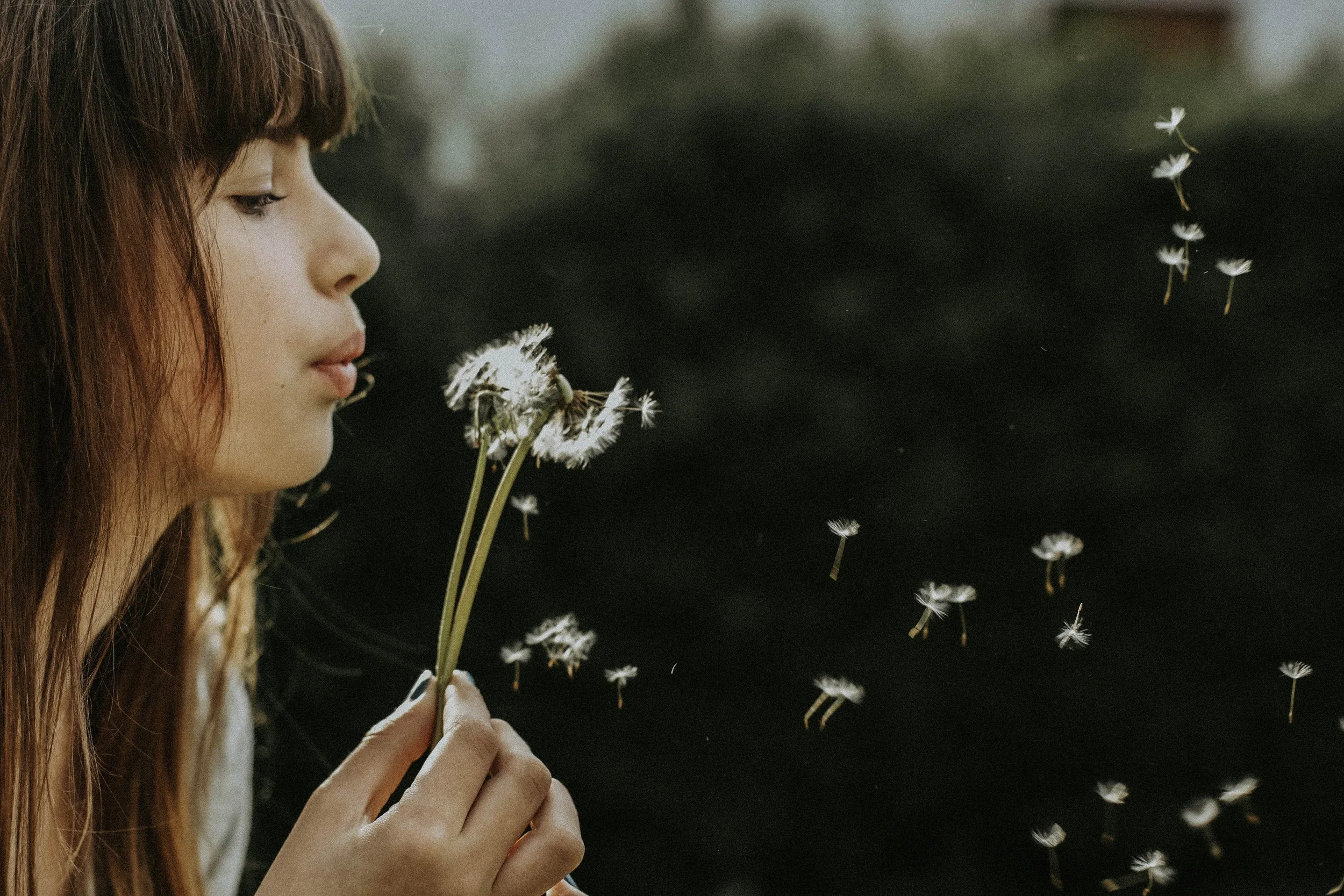
Do Your Stories Weigh You Down or Release You?
When I was six, I wanted to be an actress. But when someone calls me a drama queen, I know it isn't a compliment.
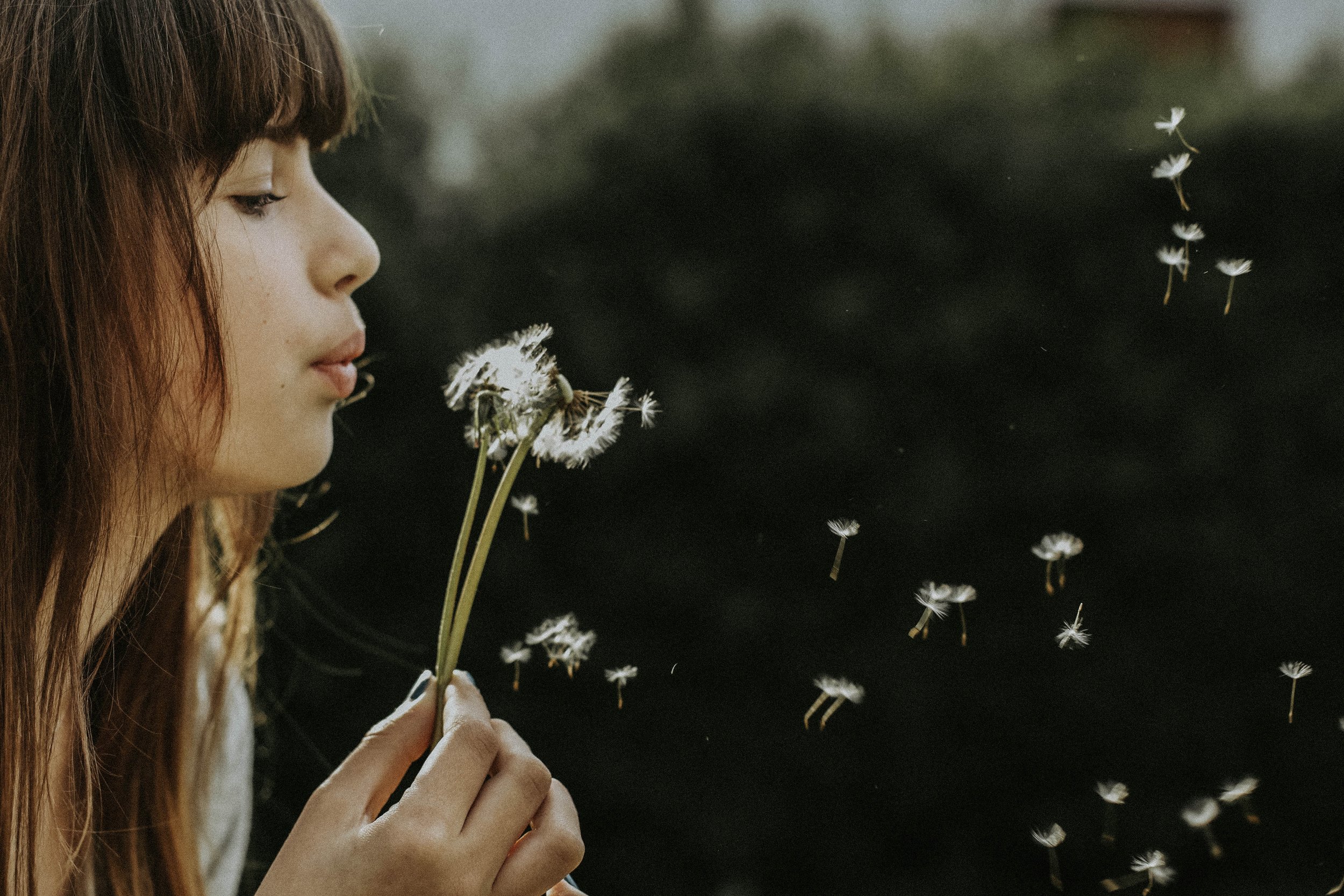
There's the stories we tell ourselves and the stories others tell us.
Close your eyes. Think of yourself for a moment as a six-year old blowing the seeds of a dandelion. What is one thing you believed about yourself when you were six? What was a wish you had?
Now take a deep breath. Are you able to identify a story someone else, probably from your family, was telling about you when you were six?
How do the two match up?
When I was six, I wanted to be an actress. But when someone calls me a drama queen, I know it isn't a compliment.
As long as I can remember, it stings when others insinuate I am making too big a deal out of something.
But at (almost) 50, I don't have a lot of control over others perceptions of me or the stories they tell. I only have control over the story I tell myself.
Here's an example.
I threw so many temper tantrums as a child and teenager (and some as an adult). Yes, this is fact about myself. But this was shameful, a worldview about disobedience...a moral issue...instead of need.
Now I believe and tell myself, "I needed something. I needed an authority to enter my world with comfort. I couldn't calm down by myself. I was trying to communicate something I intuitively knew but didn't have the language for."
As an adult when I feel like throwing something or verbally attacking someone, I know what I need to do. I need to find comfort and I need to figure out the underlying issue. If I or others judge myself as it being a moral issue and I don't do the work, the anger will only come out later with more of a chance of it being destructive.
See the difference?
What are the stories you tell yourself about the darker places of yourself...the places you want to keep hidden? How could you tell yourself a different story that would release you instead of weigh you down?
Sometimes, the only way we can see ourselves in a different light is to tell others our stories in an intimate setting.
It's been almost ten years since I shared my story about a particularly traumatic fallout of one of my temper tantrums with a small group. They shared, "This is what we hear instead." It took a loooooooooooooooong time for me to take their insight and massage it into my story so the shame, anger, and my identity around this reality about myself could be released into something that brought me freedom.
How do you need to release your story?
Here are some of the resources I used to begin my journey of understanding stories in a different light. These resources do have a Christian theological basis, but not one that is based in the belief in our inherent evil or shame. If this is still too triggering for you or too outside your beliefs, I offer a fiction read as well to get you started.
The Story Workshop with The Allender Center
You can also check out The Seattle School of Theology & Psychology

Caveat: I have not yet finished the read below, but began writing down quotes almost immediately. This is a fictional opportunity for exploring different ways to interpret our stories. P.S. It's really good as a page turner, too!
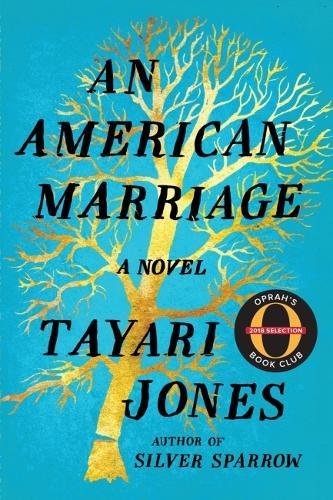
““I needed to tell the story apart from my parent’s revisionist tendencies.” ”
“How long can you live with your face twisted over your shoulder?”
“There is no fair fight to be waged about the past.”
Do you have a part of your story you tell yourself differently as you are older? I have a Facebook group that provides a more intimate space for sharing responses to questions such a these. I also provide workshops and lead retreats about how to shed light on our stories in a releasing way.
Nine Gems Online for Lovers and Writers of Story
I have found so many great podcasts, websites, and opportunities, I wanted to share some of them with you today.
It's really true that we all can find our tribe online. My tribe is definitely lovers of story. As much as I love reading paper and ink books, I don't want to imagine life without connection online at my finger tips, too. I have found so many great podcasts, websites, and opportunities and I wanted to share some of them with you.
True Crime Obsessed
I learned about the True Crime Obsessed podcast from Sorta Awesome Show host, Meg Tietz. If you don't know this already, True Crime as a genre has exploded in the podcast world since the initial release and unprecedented popularity of Serial. But True Crime Obsessed is no ordinary podcast among true crime podcasts.
Hosted by Patrick Hinds and Gillian Pensavalle, each week they choose one True Crime documentary to pull apart and they do it with humor. You don't have to watch the documentary to appreciate the podcast. Gillian and Patrick have a perfect cocktail mixture of Gillian's deadpan snark with Patrick's innocent hilarity and excitement. Their last episode about "Finders Keepers" was so funny, I couldn't even put on my makeup while I was listening. I also had to hold my stomach listening to "Jesus Camp". If anyone puts the fun back in dysfunctional, these two do.
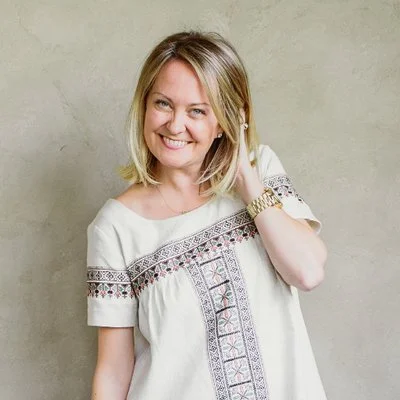
Laura Tremaine
I can't remember how I first discovered Laura, but I really admire her work. I first knew of her as the writer of the Hollywood Housewife blog, followed her to Smartest Person in the Room, and am enjoying her Ten Things to Tell You website. She is a voracious reader of both fiction and nonfiction and if you like book lists, I recommend signing up for her Secret Posts.
Laura is consistently down to earth and thoughtful with a transparency that feels so different from the shiny happy people that can be a dime a dozen in entertainment. She's still a "housewife" to her industry husband and her two children. As a Californian and reader, I find the intersections of her life that she shares online so interesting.
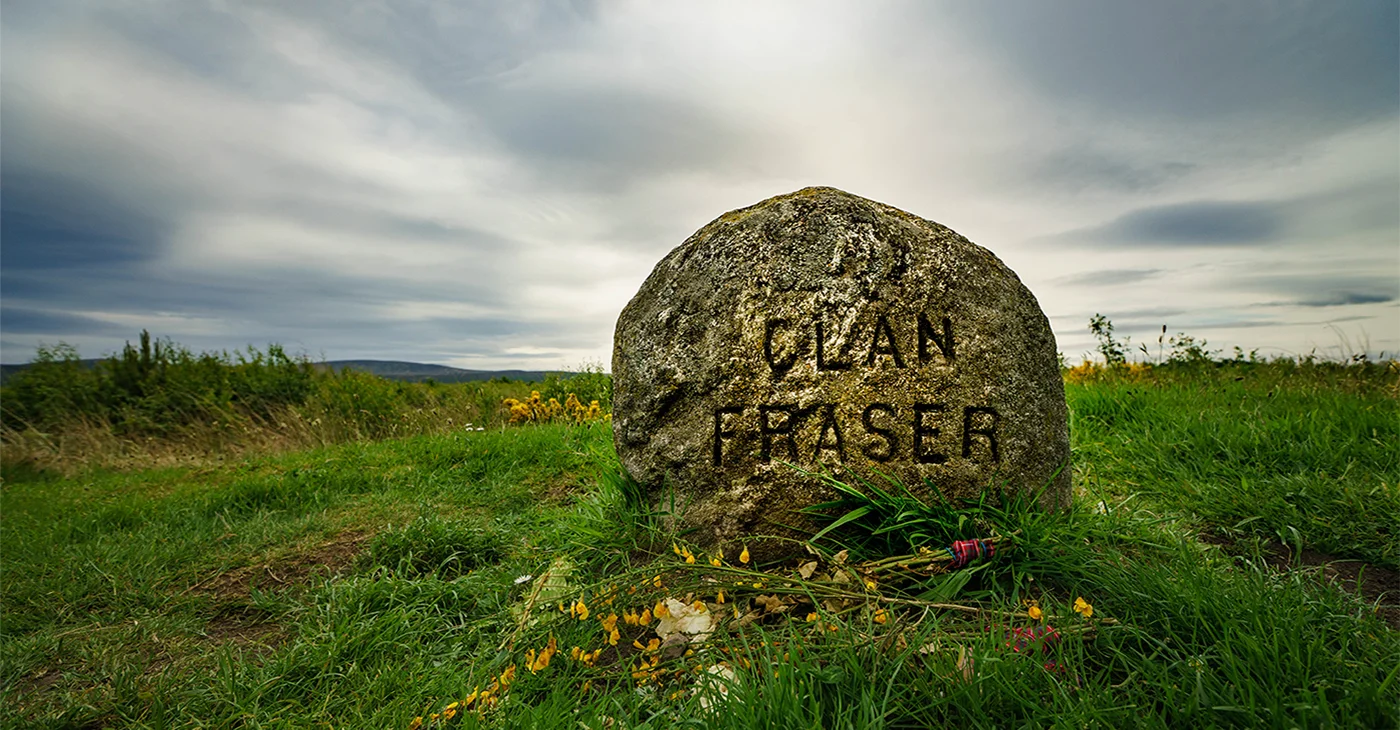
Novel Adventures Vacations
Unfortunately, I can't recommend this company from firsthand experience as a traveler. But a girl can dream and I encourage you to dream along with me! Have you heard of literary travels and pilgrimages? Me, too, and I SO want to experience them! When I can, I will strongly consider the options Novel Adventures provides. They were very communicative when I reached out to them and they seem to provide opportunities I couldn't experience, necessarily, on my own. Besides. How fun would it be to travel with a small group of other enthusiasts of some of your favorite novels? Yes, please! If nothing else, check out their offerings for your imagination's sake. Consider what literary tour you would choose.
Binge Mode from The Ringer/Still Dead/Outlander Cast Podcasts
If you have a favorite TV show out there, there is a probably a podcast with other fans that dive deep into each episode. I love these podcasts because I can geek out about my favorite stories after THE END comes up on my screen. My three current favorites, listed above, are about: Game of Thrones, Buffy the Vampire Slayer, and Outlander, but I've also listened to Podcasts about The West Wing, The Leftovers, and more. Yours is out there, I can almost guarantee it. Google is your friend.
Bernadette Jiwa of the Story of Telling
Michelle Mazur and Bernadette Jiwa
If you are like me and have a solo-preneur or small business gig, you might already know that there are SO many how-tos online about how to grow your business and promote yourself. I probably read someone's perspective and advice every day. But the bottom line, I'm learning, is to know what story your business and you tell. Two women that want to help you with that story are Michelle Mazur and Bernadette Jiwa. I learned about Michelle Mazur, the founder of Communication Rebel, on the Tara Gentile podcast, What Works, and found her basic message very intriguing. She reminded me that many movements...Black Lives Matter and #MeToo are the ones that immediately come to mind...are remembered in two to five words. You can work with her or download some basic questions that can really help clarify the work you want to do in the world and how you can start a movement with just a few words.
I learned about Bernadette Jiwa from a Seth Godin book list. Seth has always been a champion of how to market a business with an intuitive approach, turning many traditional paradigms on their heads. He recommends Bernadette's work and so do I. She reminds me, "You don't need to compete when you know who you are." and "You can't build the right company with the wrong story". Yes. If I only chased book sales and tried to be like all the bookstores I've visited, my soul and energy would shrivel up in a few days if not hours. There's a reason I named my bookstore, JENNY'S Paper & Ink Books. Bernadette teaches me how to tell a good story with the business I am building because, "What’s stopping us isn’t the quality of our products and services or the value we deliver—it’s our ability to communicate that value meaningfully."
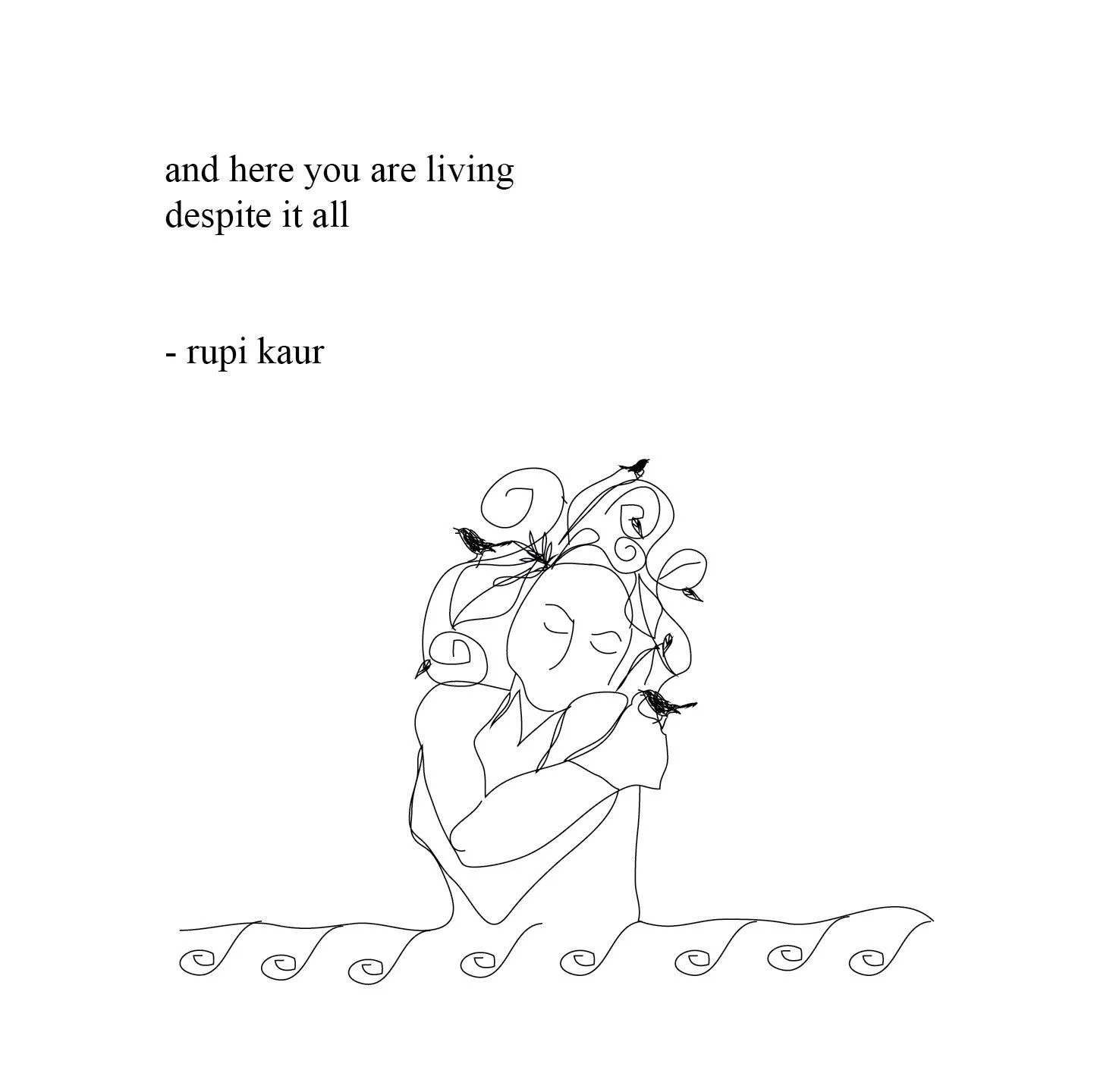
Rupi Kaur
Who is this woman? She fascinates me! She breaks all my molds. She's a 25yo POC poet. But what blows my mind is that her books of poetry have been bestsellers since I started my books business eighteen months ago and it's the young adults and their parents who want her books when they come into the store. I follow her on Instagram and almost every poem she posts makes my breath stop. Her books have been translated into 25 different languages and she has over one million followers on Instagram. She is worth learning about if you haven't discovered her yet. If nothing else, her poetry provides glimpses into the hearts of the young adults in our lives.
The Great American Read Book Club
I am in a lot of Facebook groups for readers and as a fan of certain TV shows, but The Great American Read Book Club is my favorite so far (though shout-out to the Outlander Cast group who I also adore). If you are a reader and a lover of a good novel, your people are hanging out there. Almost 30K strong, ask any question you'd like about all things books and reading, gush with others about your favorite characters, or bash the book you love to hate. Have fun!
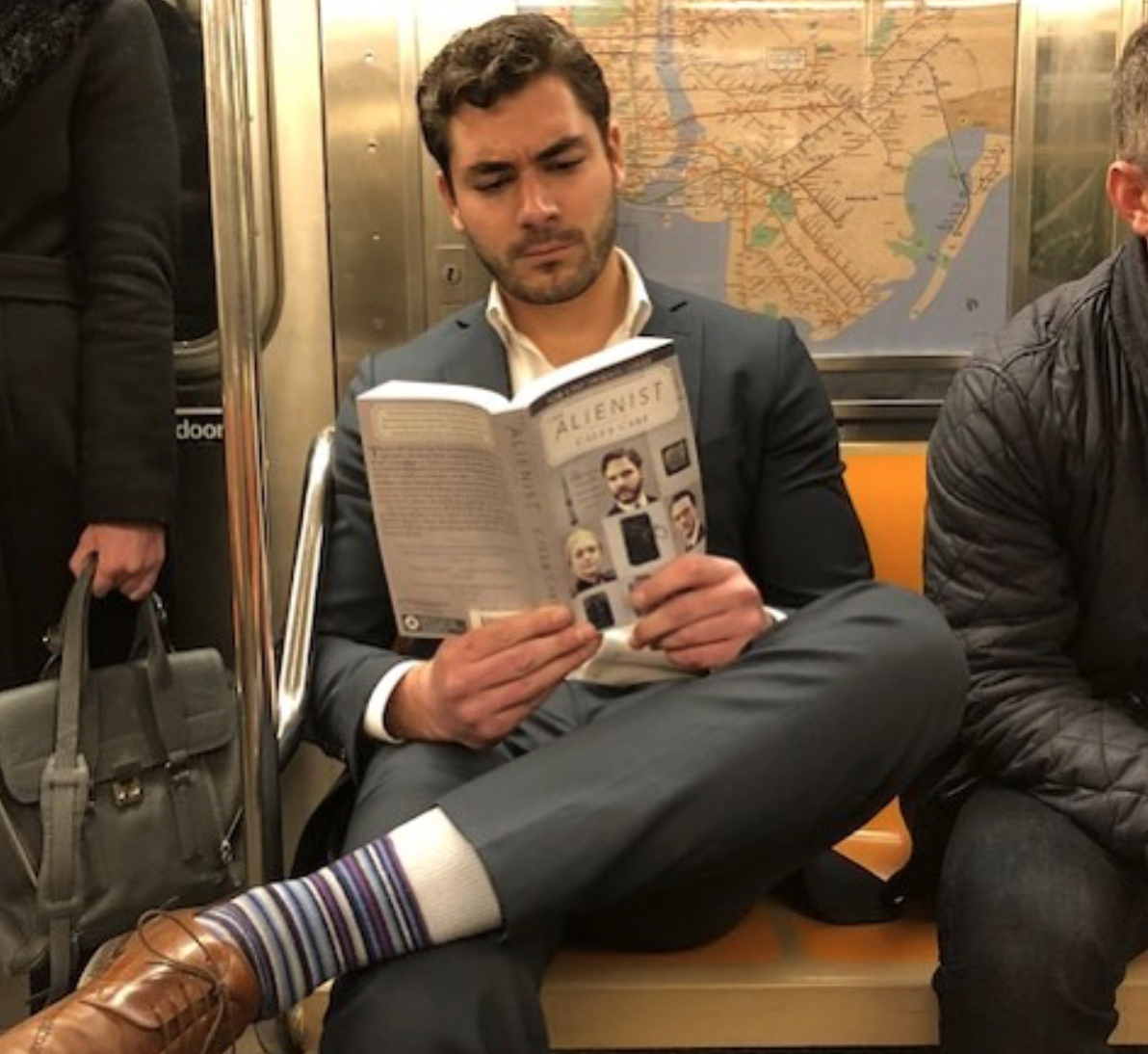
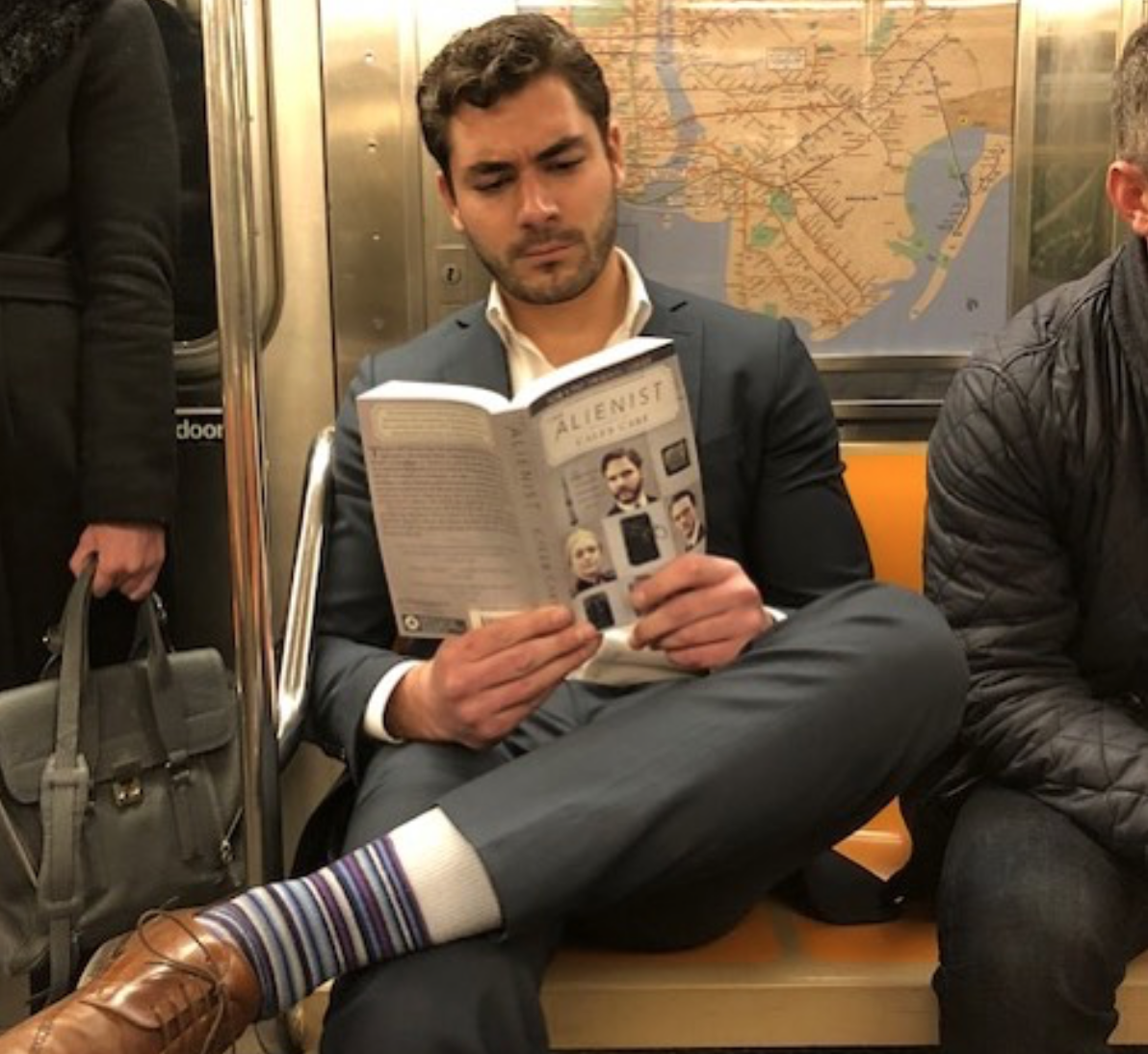
HotDudes Reading
Who says reading is only for the stereotypical "Marian the Librarian"? Throw these into your Instagram feed. Remind yourself if you love to have your nose in a book, you are in good company, including this brand of eye candy.
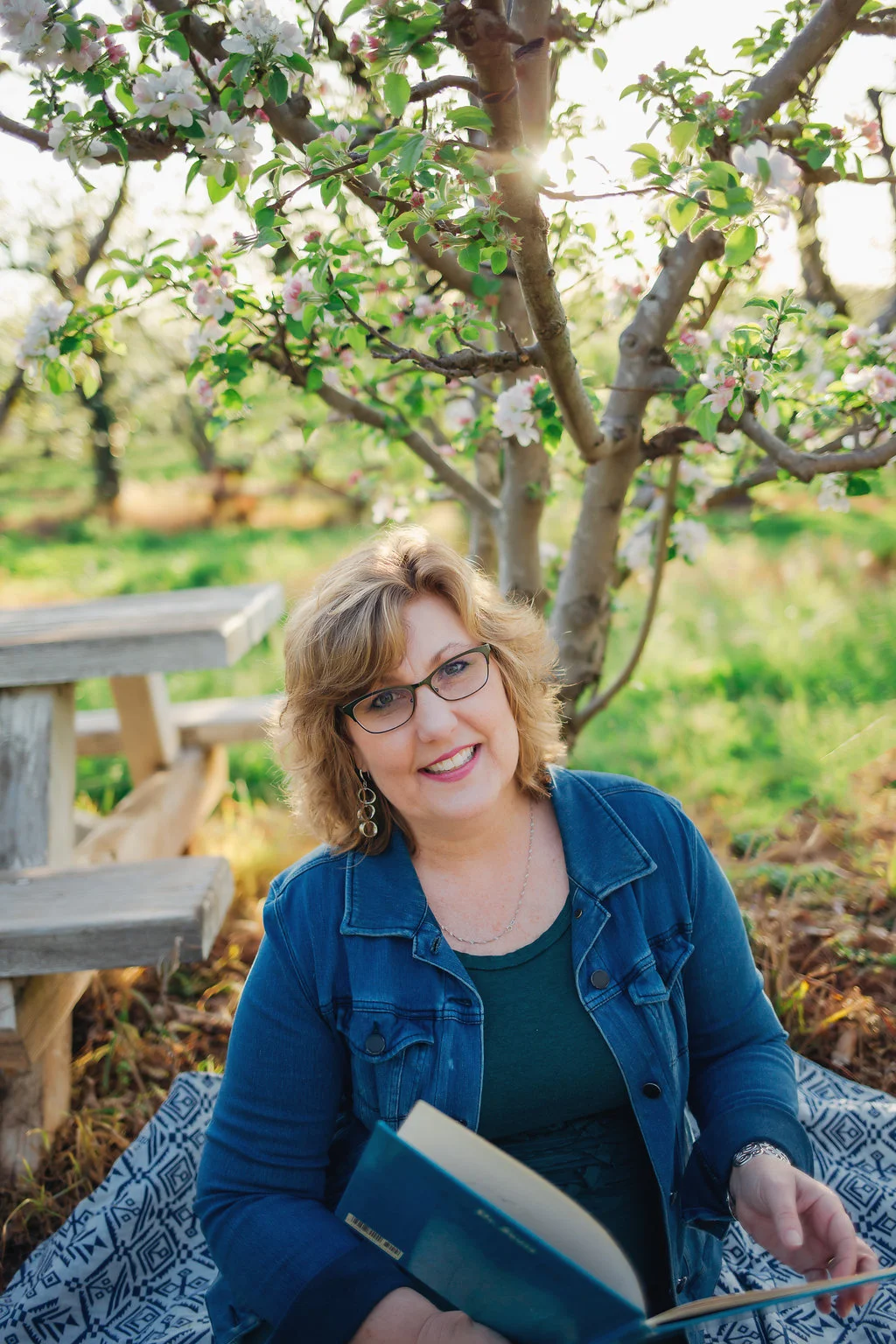
Jenny Wells
That's me!
I think there is no better place to hang out then the playground of stories. Stories are how grownups still get to play pretend. It's where we can build sand castles, play dress up, and completely lose track of time with ourselves or our friends. Every day I meet other lovers of stories in this playground that includes a paper and ink bookstore in Grass Valley, CA and online. I want to introduce you to stories that inform your own, the one you're writing each and every day. I'm the Jane Austen's Emma of story matchmaking. Connect with me for personalized reading recommendations, insightful writing about the way story intersects our lives, and to learn about my retreat and workshop offerings, including "Embracing Our Sacred Humanity Through Story".
See you in the sand, friends! Happy Summer Stories to you. What's a story you are currently enjoying?
Who or What is Your Antagonist? You Need One.
Who is the villain in one of your favorite fictional stories? I would love to hear!
Do you want to live well? Do you set up your days in order to do so?
Then you need an antagonist.
You are writing a story with your life. Every good story has an antagonist.
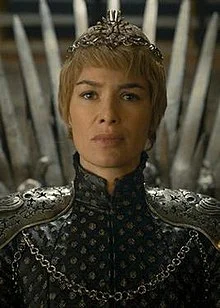
Cersei Lannister from "Game of Thrones"
Think of it.
Who is Sherlock Holmes without Professor Moriarty?
What if Narnia didn't have The White Witch or Peter Pan hadn't fought Captain Hook?
Even Bambi had an antagonist, right? Who shot Bambi's mother? Bambi would not be Bambi without him.
No good story is idyllic from beginning to end. Neither is a good life. If we want to live a good life, we have to face our antagonist eventually. We all have one. What is yours? Being able to name it is important because sometimes it's not who we think it is.
Here's an example.
When I began to really understand that VENS* had happened despite all my best intentions, pretty much since my chicks were in the womb, HaagenDazs and I became close friends.
CLOSE friends. We were like two girls who live next door to each other and want to spend every summer night at each other's house. Sometimes I even invited Red Vines and Reese's Peanut Butter Cups to the party. MANY pounds later, I stood on the scale thinking, "What the FRICK have I done?"
Losing the weight felt impossible. But if I didn't, I had two other options. Maintain the weight I hated or continue to gain.
Numbing for 40 pounds worth had gotten me nothing but my first experience with Lane Bryant. It didn't bring my daughter back. And it certainly didn't help me be happier.
But who is my antagonist, exactly? Is it the sugar? The pounds? My willpower? Will the battle be won when I lose the weight or is it something more than that?
In my current battle to lose the weight I put on, my antagonist does not want me to accept that I can't control my young adults' choices. My antagonist is the part of my heart that feels being a good mother and them telling me so is the only way I can be at ease in this world. My antagonist is the numbing carrot that still dangles in front of me each day and wants to shove me out of the driver's seat of my life.
Here's what our antagonists don't want us to know. If we choose to face them, we will probably win. But, yes. Blood will also be shed. A linear path will not just present itself because it probably doesn't exist. Others will betray us and fuel our antagonist instead of supporting us with the love and strength we need. But in order to write a good story that keeps us feeling alive we need to accept instead of deny or numb their reality.
Think about a place in your life that just hurts where you're tempted to numb. And then ask yourself:
- What is the name of my enemy exactly?
- What are my enemy's tactics?
- Am I losing ground, trying to maintain ground, or advancing right now? In other words, be honest about where you are in the midst of this reality. Seeing the terrain with clearer eyes will help you navigate it.
If you answer these questions, you will be so much better equipped for what your antagonist throws your way. Someday I will write about how accepting our antagonist as a part of our life can actually benefit us. But in the meantime, know this. Someday, your antagonist might be the one running away from the pain instead of you. When you finally stand eye to eye, he may tell you his story and become a sympathetic character instead.
Write and live good stories. Let other good stories show you how. You do need a strong supporting cast of characters and a denouement or two, but don't forget...stories also have to have antagonists, even yours and mine.
Who is the villain in one of your favorite fictional stories? I would love to hear!
*Violent Empty Nest Syndrome (VENS): When a mother has her youngest leave the nest without warning and is still circling looking for her baby.
How to Use Stories When Healing So You Don't Drown
How do I choose my journal and tears over the latest binge watch? To me, that's like shelving the HagenDazs next to the soy ice cream. How many of us when dealing with pain really choose the soy ice cream? Not me.
The childhood chant and book, "We're Going on a Bear Hunt", includes a theme for the ages.
When it comes to healing, and I'm not going to differentiate between physical, emotional, etc...cuz they all affect each other...
“We can’t go under it, we can’t go over it, we can’t go around it. We gotta go through it.”
Ugh! There is no easy way to stop hurting and oh, how we humans hunt for it. I had a doctor I was interviewing tell me recently, "I don't believe humans are wired for suffering." As someone who comes from a religious background where suffering and saintliness were kissing cousins, I've thought about what she said quite a bit. If we're not wired for suffering, which the more I think about the more I agree with, what are our choices then? Here's a few I came up with.
Our Choices When We Hurt
- Addiction that comes from a desperation for numbness where the substance ends up in the driver's seat of our life.
- Anger that shuts our hearts off like a steel trap and eventually manifests itself in all sorts of physical maladies.
- Laughter and other forms of self-care like eating well, lots of rest, etc.
- Doing the hard work of healing that means long term we won't suffer forever.
"You have to grieve and go through it!" those I trust say.
"Well how do I choose to do that? A wildfire just tore through my home!" I fight back.
What am I to do? Drink all the wine I can? Seal off my heart? Sleep as much as possible? The bottom line is, how in the world do I choose to face this pain?
I know getting my emotions out and on paper is important and I've done it most of my life. But since experiencing Violent Empty Nest Syndrome*, I can't just face the blank page knowing weeping could come. I mean, who chooses to sit down and do that?
And how do I choose my journal and tears over the latest binge watch? To me, that's like shelving the HagenDazs next to the soy ice cream. How many of us when dealing with pain really choose the soy ice cream? Not me.
So I do both. I journal during TV shows, especially when re-watching. This is the option that allows me to have my cake (comfort) and eat it, too (do the work of grief).
Here's an example. During Droughtlander, I am choosing to watch one episode per week of the previous three seasons to help get me through. A few weeks ago, it was time to watch the episode "Faith" and if you haven't seen it, it is full of tears. There's a lot of loss of innocence and loved ones. In one scene, Claire, our female protagonist, cries with something beyond anxiety, something primal. *spoiler in video*
I don't always cry about my own loss when reading or watching a story. But when I do, I pick up the pen and jot down just a few sentences of how the scene applies to me. I write just a few words about what it makes me think and feel. This is one of the simplest and gentlest tools for healing I have found in my fifty years. My beloved characters gently open the door of feeling for me. They go through their s*** ...remember, every good story, including our own, has to have conflict... and I feel understood. The characters in the stories I love help me take a step towards walking through instead of numbing the pain.
What has been a healing story for you? They say, whatever you're dealing with, someone else has gone through it, too. But even in the social media age, finding our tribe when it comes to our tears is tough, especially when it's a miracle you just got out of bed. Let's find a book or TV character you can heal with in the comfort of your own home. I provide personalized reading lists. Message me for more information.
*Violent Empty Nest Syndrome (VENS): When a mother has her youngest leave the nest without warning and is still circling looking for her baby.

May I Share My Shower Speech With You?
You know how some people sing in the shower? Well, I practice speeches in the shower. When I'm awake and thinking through my day, I hear myself rehearsing the speech I really want to give.

Lately, I've been waking up while I'm talking. I'll start a speech in a dream and feel myself rise to consciousness. Recently, I haven't been stopping and in that place I think is called Twilight Sleep, I just keep on talking. It's amazing the angst I've been able to work through without actually having to talk when someone else is listening.
But then there's my shower speech. You know how some people sing in the shower? Well, I practice speeches in the shower. When I'm awake and thinking through my day, I hear myself rehearsing the speech I really want to give.
You know, there are a lot of causes in this world that are important for us to care about. Almost all of the causes that come to mind right now without thinking too hard involve standing up to oppression. Oppression snuffs out so much potential life on so many levels. You may not consider my speech on par with some of the most worthy causes. I guess that's ok, but this is a cause I want to own, not one I can just try on. It's one that makes me practice speeches in the shower. It makes me want to cry hot angry tears and if I'm really honest, have the freedom to say, "You're wrong."
Here's one of those speeches.
STOP oppressing stories. Please. The cost is too high.
Please stop oppressing stories because you think they're too immoral. I understand that we all have lines in our own lives we don't want to cross. But I need you to understand that it is YOUR line, not society's line. And I do think your line needs to be able to stand up to a strong challenge from someone else. If defending your line makes you feel tighter as a human being...watch for it in your body language...I want to suggest your line needs to become a bit more blurry. If your line is not blurry and teenagers are involved, I do hope they are blurring them for you.* Oh, do I have a long speech I want to write and deliver about that one, too.
Please stop dismissing stories because they're for nerds, which thankfully are more in fashion these days. The jock mom who dismissed Shakespeare back when I was teaching it? Ouch, that one still stings. She also grimaced at the "nerdiness" of choirs, but in doing so she dismissed the transcendence that results when we create a symphony with only the human voice. I wonder if she could experience the rich and transcendent choirs at Harry and Meghan's wedding last weekend? Yes, like Shakespeare, choral music can be difficult to understand. BUT IT'S JUST A DIFFERENT LANGUAGE! That's it! When we refuse to at least try and learn a little bit about someone else's language, the us/them divide increases instead of having a chance to be bridged. Even the Queen of England had to do that last weekend.
Please don't oppress a beautiful story or artistic expression with ignorance. Please. My heart can barely take it. I can feel almost desperate for your own heart to receive the gift you're dismissing! But I can barely breathe when you have influence over others and assigned yourself as their gatekeeper.
Don't do this. Don't dismiss stories.
Instead...
Learn the rules. Study the masters. Break the rules.
The good stories in our cultures, the ones that remain over centuries or from deep and wide impact, were written by the masters. They might come in the form of Shakespeare in the park, a choir concert in a cathedral, or that classic everyone still talks about that you've never tried to read. YOU MUST AT LEAST CONSIDER THEM. Please study and teach the masters. PLEASE don't dismiss them. If there's been lasting impact in our cultures by a work of art, there's a reason. Search for it and expect to find a treasure you have not yet known.
Time to get out of the shower and head into my life's work which sometimes includes being gracious to the gatekeepers who visit the bookstore.
But oh, I also want to make them listen to my shower speech.
What's a story or work of art that you love that others have dismissed?
What's the treasure you want them to know they're missing?
I'm going to share some of my responses to these questions in a future post, but I would really like to know how you might answer.
*If you want your children to create great art, they have to be able to study the masters and then break the rules. Let them as they become young adults. Please let them. They will do it anyway, most likely.
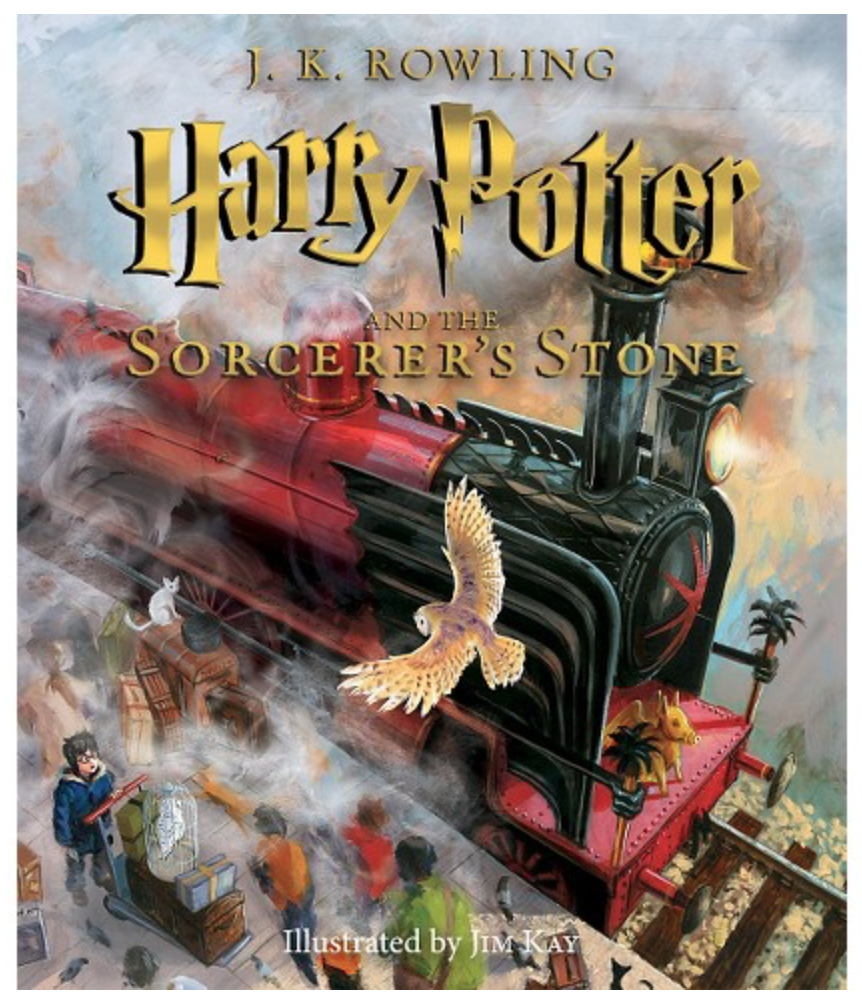
How Playing with Story Can Change Us
Well, we need...and yes, I choose the word "need" specifically...gods and goddesses, too.
“Read myths. They teach you that you can turn inward, and you begin to get the message of the symbols. Read other people’s myths, not those of your own religion, because you tend to interpret your own religion in terms of facts—but if you read the other ones, you begin to get the message. Myth helps you to put your mind in touch with this experience of being alive.”
“We need to give ourselves permission to be swallowed up in something. ”
What or who have you been a fan of over your lifetime? Even if you have to go waaaaay back, there's someone or something you've let yourself get lost in. When I think over my 50 years, I see a girl who knew every word of the movie "Grease" even though she wasn't allowed to see it. I remember being swept up in the crowd at the Oakland Coliseum in 1987 to Bono's and U2's magic on the Joshua Tree tour and knowing I was having a once in lifetime experience. And as a mother, I spent much money on Legos and American Girl dolls without hesitation for my children who were also lost in something. I might...might...have stolen my first Playgirl magazine from the drug store *cough* across the street from my church *cough* because my current celebrity crush was in it. Oh, I should clarify...I was probably fourteen when I...might...have done that.
I've thought about this a lot because I wonder, what is it about celebrity crushes? Why do we go bonkers? I know I have plenty of times. Some I won't admit to. But one time, albeit in my conservative Christian circles of yore, I complimented Tom Cruise's looks at a dinner party. "Umm...you're a happily married woman now, aren't you?" my male friend chided. I knew his meaning. From his perspective, good Christian girls, especially those who were married, weren't supposed to get excited or admit they thought a celebrity was good looking. Well, even my strict religion wasn't able to keep my passion for stories and their characters, including the romantic sensibilities, from bubbling up.
So I have a theory. And I would love to hear yours.
I'm of the perspective that human nature doesn't really change over the generations and we can learn from ancestral stories, even as far back as the Greeks and the Romans. They had their gods and goddesses and each one represented one of their realities, yes? Well, we need...and yes, I choose the word "need" specifically...gods and goddesses, too. We need myths, which is what good stories are. We need understandings and perspectives in life that elevate what we believe and experience or illuminate what is mysterious to us. It's how we connect with life beyond our own understanding...see the Joseph Campbell quote above.
We need ways to play and the stories that transport us to do that.


Yes, there is a line between fandom and obsession. Yes, our whole lives probably don't need to revolve around our latest fan favorite. But have you let yourself fall into imagination as an adult? Have you allowed yourself to be swallowed up in something?
Will you let your freak flag fly?
This has powerfully happened to me in the last few years. If you follow me online at all, you probably know this. I may be almost 50, but like many (dare I admit white middle-age women) have become swallowed up in the Outlander series fan tribe. I am in the Facebook groups. I follow everyone from my beloved lead characters to the set designer on Twitter. AND I am flying to Manhattan in August to attend the first official convention of the show so I can meet my beloved characters/actors and play with other fans all the weekend long. I'm so excited!
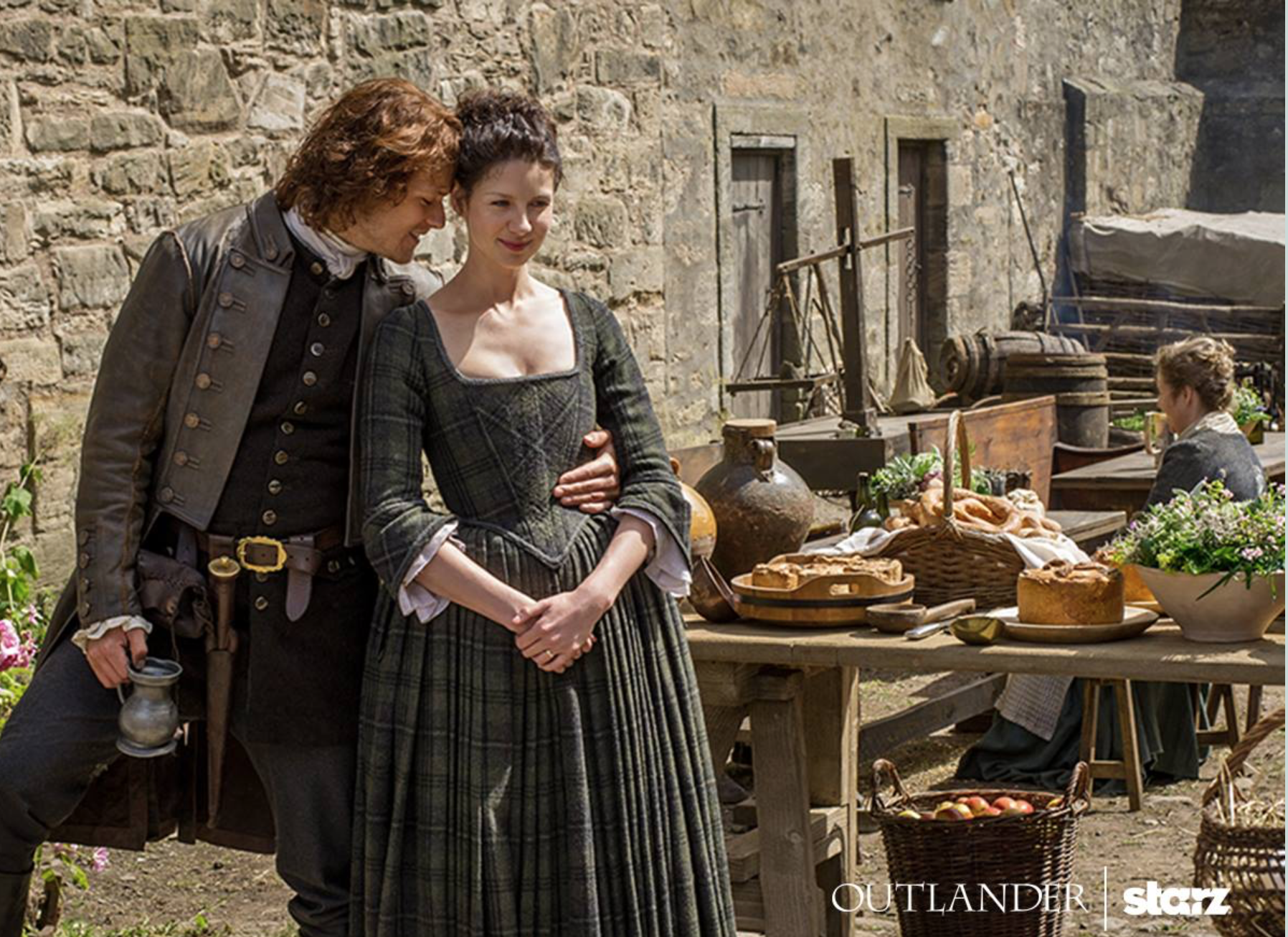
Why. Why? What is it about these stories? Simply, they're mythical. The love of the protagonists is SO rich and beautiful. The hero is a Christ figure to me and the heroine such a strong woman...like the author...that she inspires me. The history and culture of 18th century Scotland makes my Great Britain genetics wake up and feel at home in mythical ways. It's steeped in reality but also otherworldly which makes me feel like the way we feel pretending as children. I love so much about this form of play in my stage of life.
I want you to have this, too. Not necessarily for Outlander, though I continue to highly recommend the series. I want you to have your place to play, your place to be swallowed up in something. I want you to live a life that is open to myth so life does not become gray, but full of color for. Good stories can give us this.
What is yours? Where do you let the lines between myth and reality blur? What is your good story? I would love to know.
What Could Be Better than Romantic Love?
It is such a pinnacle of bliss in our popular culture. Can anything compare? Is anything better than romantic love?
How would you answer?
This is what I would say.
One of the most difficult things I've faced living in middle age in a decades-long marriage is having to let go and frankly, mourn, the reality that heady romantic love is probably something that will remain in my past.
I love romantic love. I love the drama, mixtapes, can't keep our hands off each other type of love. Give me as much eros as I can get. But as many of us know, while it's a great beginning, it's rarely what sustains a longterm relationship. If we're lucky, we can have both. Yes, great marriages can do romance. But I am currently of the opinion it takes a certain kind of personality to really pull that off. For the most part, mystery and newness are often where the passion lies. How many storylines do we watch on TV that we lose interest in once we know the answer to "Will they or won't they (get together)?" My bookstore has an entire aisle and genre donated to this question and Romance sells big. The pursuit in romantic love is almost all the fun. But once the pursuit is over the movies and books often end*.
This isn't the case for everyone, but for me, letting the desire for intense romantic love go and accept that it's most likely something in my past has been...is...quite a process. It is such a pinnacle of bliss in our popular culture. Can anything compare? Is anything better than romantic love?
How would you answer?
Romantic love and especially the pursuit of it implies there will be a completion. Through romantic love we are drawn to a potential mate and partner. But once consummation happens and we get it out of our system, so to speak, reality invades our bubbles of bliss. Yes, now we have a partner to share Thanksgiving and a bed with. We feel, hopefully, more complete. But does that have to be the end of story?
I'm reminded of one of my favorite picture books, Miss Rumphius. Have you experienced it? MISS (in other words, not married) Rumphius, set in the early twentieth century, was a young girl with big dreams. She wanted to travel the world, which she did, and then live by the sea, which she also did. But her grandfather told her there was one more thing she must do.
“In the evening Alice sat on her grandfather’s knee and listened to his stories of faraway places. When he had finished, Alice would say, “When I grow up, I too will go to faraway places, and when I grow old, I too will live beside the sea.
That is all very well, little Alice,” said her grandfather, “but there is a third thing you must do.”
”What is that?” asked Alice.
”You must do something to make the world more beautiful,” said her grandfather.
”All right,” said Alice. But she did not know what that could be.
In the meantime Alice got up and washed her face and ate porridge for breakfast. She went to school and came home and did her homework.
And pretty soon she was grown up.”
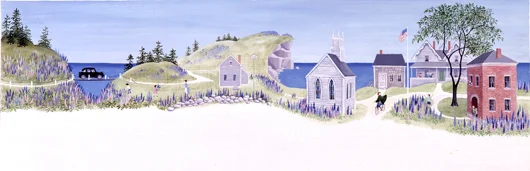
You can purchase your own copy of "Miss Rumphius" by clicking on the image above.
Miss Rumphius, if you know the story, becomes known as The Lupine Lady. She made the world more beautiful by planting lupine seeds wherever she could. Did you know the meaning of the lupine is Imagination? To imagine something is to believe in something that does not (yet) exist.
There doesn't have to be completion when there's imagination. With an imagination there doesn't have to be an end to our stories. There are other worlds and people and experiences that are not real to me yet, but they could be. Maybe if I use my imagination, I might even fall in love. Remember how incredibly intoxicating imaginative play was when we were young? Remember the worlds and scenarios we played in for hours?
I think the one thing that could be better than romantic love is the ability to lose oneself in the pursuit of something. I think imagination could be better than romantic love because it's available all my life long and not dependent on my body being mating material, evolutionarily speaking. My imagination opens doors for me that are not dependent on someone else, like my children or partner, turning the doorknob for me. In other words, I can't control their love for me, but I can always explore a new world.
What do you think? Does this resonate with you? How could your imagination help you write and live a better story?
“To fulfill (Miss Rumphius’s) final promise to make the world more beautiful, she had to imagine a world that did not yet exist.”
*One series of books where the answer to the question, "Will they or won't they?" doesn't end the story is the book series, "Outlander" by Diana Gabaldon. It is listed as one of America's Top 100 Reads for a reason. Its core characters are married early on and several thousand pages later, that is still the case. It is easily the most dynamic and beautiful love story I have ever read. Set in Europe, mainly Scotland, and the United States in the second half of the 18th century, I can't recommend it enough. I think the endurance of the protagonist's love over decades, including their erotic love, is why so many of us find it so compelling and arresting. Have you read them?